


















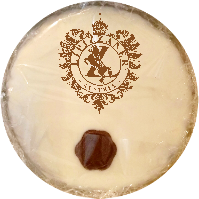
PHYTO CHOCOLATE®
combines—most notably—our nougat-marzipan balls, white chocolate, dragées, wafers, fruit gums, and gluten-free chocolate cakes with medicinal plants used in herbal medicine.
For 176 years, the use of the highest-quality ingredients in our chocolate production has been a matter of course.
At LECONTE CHOCOLATIERS®, we are now taking a significant step further:
PHYTO CHOCOLATE® combines chocolate creations perfected over the last 176 years—such as our nougat-marzipan spheres, white chocolate (a category we pioneered), dragees, wafers, fruit gums, and gluten-free chocolate cakes—with medicinal plants used in herbal medicine.
HILDEGARD VON BINGEN’s herbal lore constitutes a special area to which PHYTO CHOCOLATE® is dedicated.
The medicinal plants used are indicated for applications listed as having a mild effect in the "list of traditional uses." They are traditionally used to promote well-being, strengthen the immune system, and alleviate discomfort associated with stress and digestive issues.
Pharmacy-only status:
Standardized finished medicinal products (phytopharmaceuticals) offer controlled quality and a guaranteed active ingredient content compared to unregulated dietary supplements.
If the medicinal plants used are subject to pharmacy-only status, the associated chocolate products may be purchased exclusively from pharmacies.
DEFINITIONS:
Phytotherapy (herbal medicine)
is the treatment and prevention of diseases using plants, plant parts, or preparations derived from them. It is one of humanity's oldest medical therapies and an integral part of naturopathic and complementary medical practice.
Core principles of herbal medicine
Complex mixtures of constituents:
Medicinal plants contain complex mixtures of active compounds (e.g., alkaloids, flavonoids, essential oils) that, acting in combination, often produce better effects or are better tolerated than isolated individual substances.
Scientific basis:
Modern, rational phytotherapy investigates effects according to the criteria of scientific medicine (evidence-based medicine).
Distinction from homeopathy:
In contrast to homeopathy, the active plant ingredients are administered in material, measurable concentrations rather than being extremely diluted (potentized).
Gastrointestinal complaints:
Peppermint for cramps, chamomile for inflammation. Sleep disorders & restlessness: valerian, passionflower, or hops for calming.
Colds:
Thyme and eucalyptus for coughs; ribwort plantain to loosen mucus.
Cardiovascular system:
Hawthorn to support heart function in cases of age-related heart conditions.
Depressive moods:
St. John's wort for mild to moderate depression (beware of interactions with other medications)
Existing dosage forms of phytotherapeutic agents
Teas (infusions / decoctions):
Traditional preparation with hot water.
Tinctures:
Alcoholic extracts for administration drop by drop.
Dry extracts:
Tablets, capsules, or sugar-coated tablets with a standardized amount of active ingredient.
Salben & Gele:
External use for skin problems or joint pain
Important safety and quality information
Interactions:
Herbal preparations can weaken or intensify the effects of prescription medications such as blood thinners or the contraceptive pill.
Pharmacy-only status:
Standardized finished medicinal products (phytopharmaceuticals) offer controlled quality and a guaranteed active ingredient content compared to unregulated dietary supplements.